
Meeting someone new-whether for romance, companionship, or something more casual-comes with a natural mix of excitement and caution. First-time encounters, especially those arranged through personal networks or online platforms, demand more than just good chemistry. They require smart, simple screening practices to keep you safe and set clear expectations from the start. This isn’t about being paranoid. It’s about being prepared.
If you’re exploring connections through private services, you might come across listings like london euro escort. While these services operate in a gray area legally and socially, the underlying need for safety and transparency remains universal. Whether you’re meeting someone from a professional service or a personal introduction, the same core screening steps apply. The goal isn’t to judge, but to protect.
Verify Identity Before Meeting
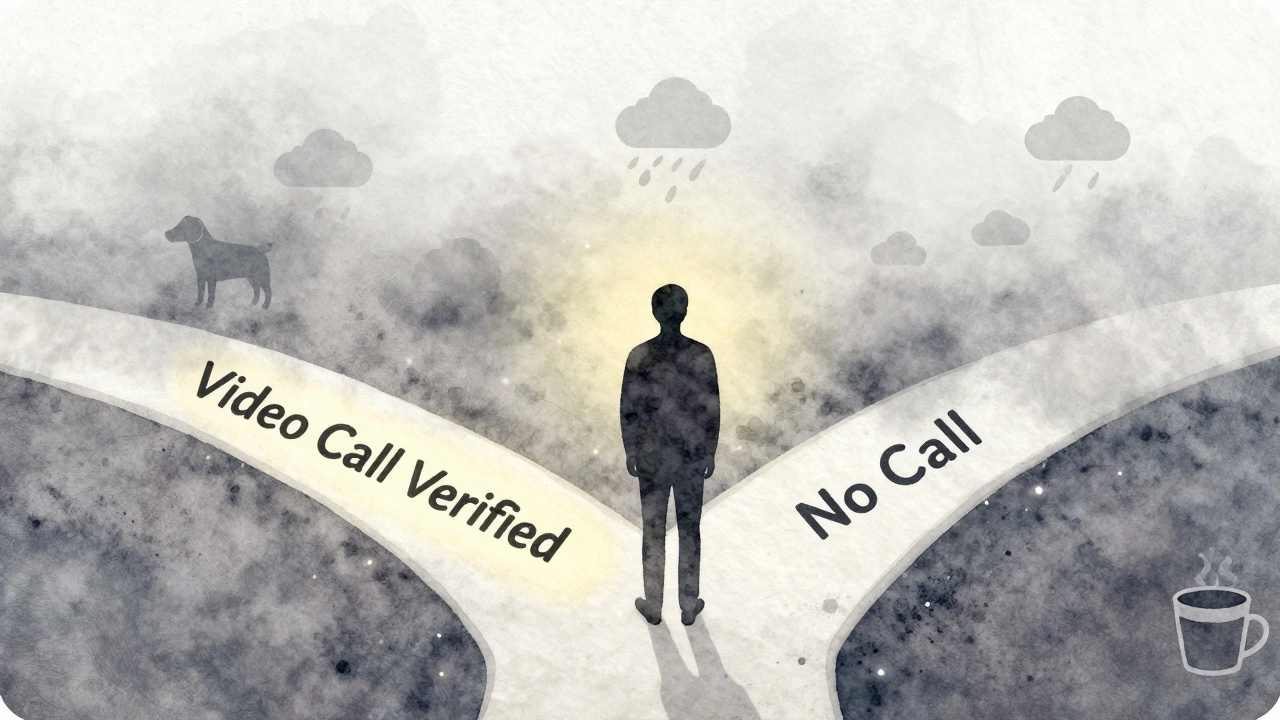
Never skip this step. A photo on a profile isn’t proof. Ask for a live video call before arranging any in-person meeting. Look for consistency: does their voice match the profile? Are there recognizable background details? Do they answer simple personal questions without hesitation? If they refuse a video call, or if the call feels scripted or rushed, that’s a red flag.
Real people have imperfections. They’ll laugh at awkward questions. They’ll mention their dog, their last meal, or the weather outside. If someone seems too polished, too rehearsed, or avoids personal details, dig deeper-or walk away.
Choose a Public, Safe Location
The first meeting should always be in a public place-preferably one with other people around, good lighting, and easy access to exits. Cafés, restaurants, or busy parks during daylight hours are ideal. Avoid private homes, hotel rooms, or isolated spots. Even if the person seems trustworthy, you don’t know their full history. Public settings reduce risk and give you control over the situation.
Let a friend or family member know where you’re going, who you’re meeting, and when you expect to be back. Share your location via your phone’s live sharing feature. It’s not about distrust-it’s about having a safety net.
Set Clear Boundaries Early
Before you even meet, have a direct conversation about what you both want. Are you looking for conversation, dinner, or something more? Be honest. Don’t assume they’ll read your mind. Ambiguity leads to discomfort-and sometimes danger.
It’s okay to say: “I’m here to get to know you. I’m not looking for anything physical today.” Or: “I’m open to spending time together, but I need to know where you stand on boundaries.” People who respect you will appreciate the clarity. Those who don’t? You’ve saved yourself a lot of trouble.
Check for Red Flags in Communication
Watch how they talk. Do they pressure you? Do they use guilt, flattery, or urgency to push you toward a meeting? Phrases like “I’m only free tonight,” “Everyone else says yes,” or “You’re the only one I’m meeting” are manipulation tactics. Real connections don’t need coercion.
Also watch for inconsistencies. Do they change their story about where they work, where they live, or why they’re meeting? Do they avoid answering simple questions about their past? These aren’t just personality quirks-they’re warning signs.
Trust Your Gut, Even If It’s Quiet
You’ve probably felt it before: that quiet unease in your chest, the sudden urge to cancel, the feeling that something’s off-even if you can’t explain why. That’s your intuition speaking. Too many people ignore it because they don’t want to seem rude, or because they think they’re overreacting.
Here’s the truth: your gut is often right. It’s picked up on micro-expressions, tone shifts, or mismatched details your conscious mind hasn’t caught yet. Canceling a meeting because you feel uneasy isn’t weak. It’s smart. And you owe it to yourself to listen.

Have an Exit Strategy
Plan how you’ll leave if things turn uncomfortable. Don’t rely on a ride you didn’t arrange. Take your own transport-taxi, rideshare, or public transit. Keep your phone charged. Have your payment method ready. If you’re meeting in a café, sit near the door. Know where the staff is. If you need to leave suddenly, don’t make excuses. Just say, “I have to go,” and walk out.
Some people think having an exit plan makes them seem distrustful. It doesn’t. It makes you responsible. And the people who matter will understand.
Understand the Legal and Social Landscape
In many places, including parts of the UK and Australia, personal services involving payment for companionship exist in a legal gray zone. Some platforms market themselves as “companion services,” while others are clearly transactional. The law doesn’t always protect either party, so personal safety becomes even more critical.
If you’re considering services like escort london euro, remember: no contract, no regulation, no oversight. The responsibility for your safety lies entirely with you. That’s why the screening steps above aren’t optional. They’re essential.
Follow Up After the Meeting
Even if everything went well, take a moment after the meeting to reflect. Did they respect your boundaries? Did they show up on time? Did they seem genuine? Write down your impressions while they’re fresh. If you plan to meet again, use this as your baseline.
If something felt off-even slightly-don’t ignore it. One bad experience doesn’t mean all future encounters will be the same. But it does mean you need to raise your standards, not lower them.
And if you ever feel unsafe after a meeting-whether it’s a strange text, a missed check-in, or an unexplained change in behavior-reach out. Talk to someone you trust. Report suspicious behavior to local authorities or trusted community groups. You’re not alone.
For those exploring services like london escort euro, the same rules apply. No amount of professionalism from a service provider replaces your own judgment. Screening isn’t just about checking boxes-it’s about building awareness. The more you practice it, the more confident you’ll become.